
Key Takeaway:
Years of Google’s public denials about Google Chrome data and clickstream signals influencing rankings with Navboost have been upended by the 2024 API leak, DOJ antitrust trial testimony, and a close reading of foundational patents. Chrome-derived behavioral data—especially referral clicks and user navigation paths—are not just used, but are central to how Google’s NavBoost and Glue systems determine which sites and entities rise to the top.
Introduction: The Real Story Behind Google’s Behavioral Ranking Signals
As someone who’s spent years dissecting search patents, court filings, and technical leaks, I can say with confidence: the “official” story Google tells about its ranking systems is only half the truth. The 2024 API leak and DOJ antitrust trial documents have finally exposed what many SEOs suspected—Chrome browser data and user clickstreams are the backbone of Google’s modern ranking infrastructure. This guide distills hundreds of pages of patents, legal testimony, and expert analysis into a clear, actionable roadmap for understanding (and leveraging) Chrome signals in SEO.
1. The chrome_trans_clicks Metric: The 2024 API Leak’s Smoking Gun
What Was Revealed
- Field Name:
chrome_trans_clicks - Definition: Tracks user transitions (clicks) between pages within the Chrome browser.
- Function: Logs when a user navigates from one site (Entity A) to another (Entity B) via a link, capturing real-world referral traffic and navigation paths.
Rand Fishkin (SparkToro):
“Google likely uses the number of clicks on pages in Chrome browsers and uses that to determine the most popular/important URLs on a site.”
Why It Matters
- Site-Wide Authority: If thousands of users transition to your site from trusted domains, NavBoost interprets your site as a destination of intent—not just a random document.
- Ranking Impact: This is more than a backlink; it’s a behavioral validation signal that can boost your entire domain’s authority.
2. The Reasonable Surfer Patent (US7716225B1): Not All Links Are Equal
Patent Claims and Language
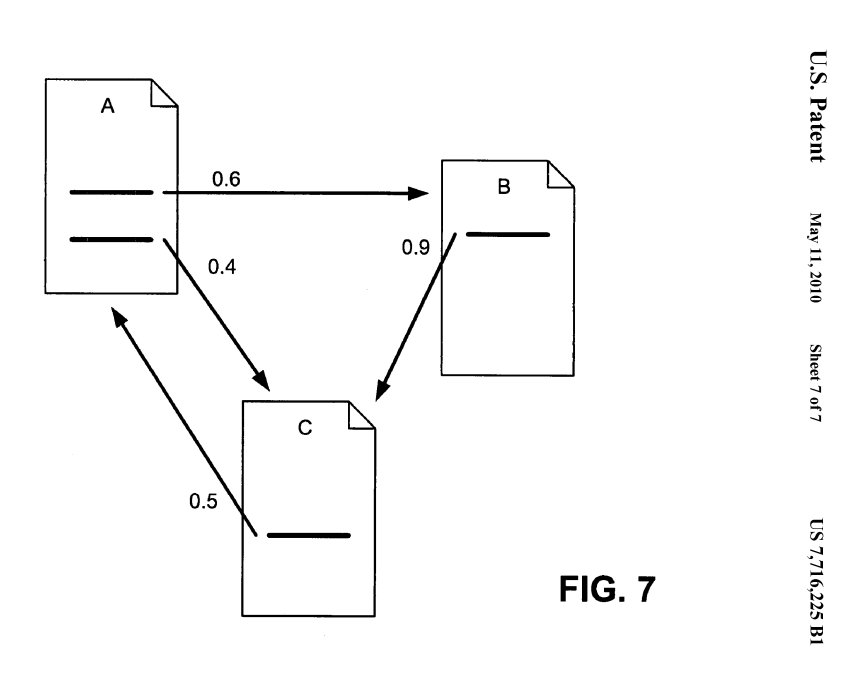
- Core Idea: Not all links are equally likely to be clicked; Google assigns a “probability of being clicked” to every link.
- Key Factors:
- Position: Links higher on the page (especially above the fold) are more likely to be clicked.
- Font Size & Color: Larger, visually distinct links attract more clicks.
- Anchor Text: Descriptive/action-oriented anchor text increases click probability.
- Context: Main content links > sidebar/footer links.
- Type: Image links, especially larger ones, are more likely to be clicked.
Patent Excerpt:
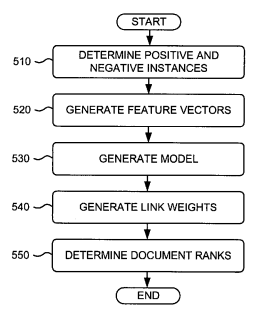
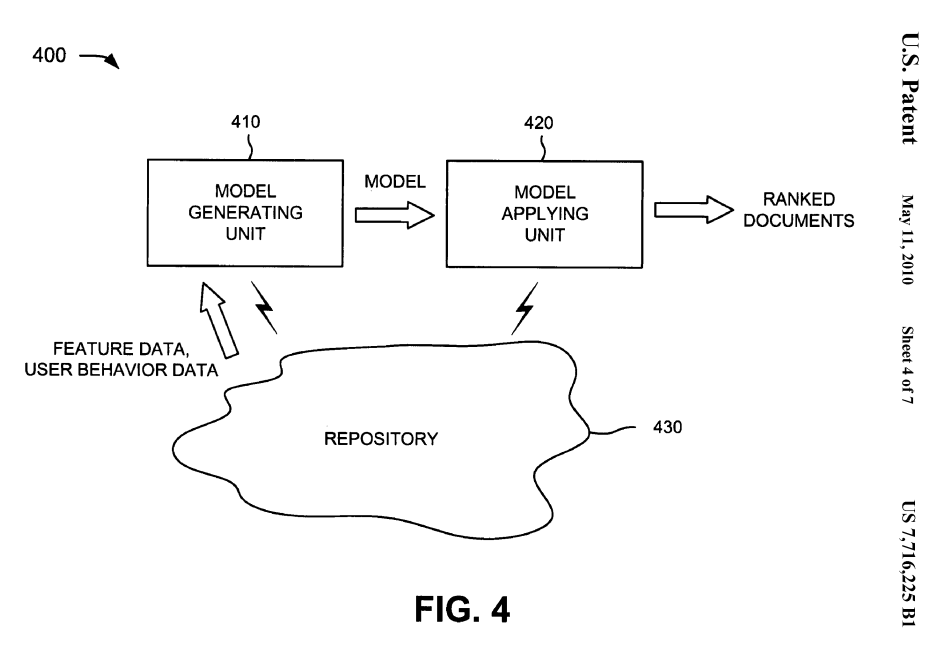
“Generating a model based on feature data relating to different features of a link from a linking document to a linked document and user behavior data relating to navigational actions associated with the link.”
Referral Clicks as Ranking Signals
- Referral clicks (actual user navigation from Page A to Page B) are weighted far more heavily than “dead” links.
- User behavior data—especially from Chrome—feeds directly into this model, dynamically updating link weights over time.
3. NavBoost: Good Clicks, Bad Clicks, and Long Clicks (DOJ Trial Insights)
System Overview
- NavBoost is a core Google ranking system that processes clickstream data at scale.
- Types of Clicks:
- Good Clicks: User stays on the result (satisfied). Scale Ranking’s SEO traffic service uses good clicks only (Buy organic web traffic)
- Bad Clicks: User quickly returns to search (pogosticking).
- Long Clicks: Extended dwell time, reinforcing satisfaction.
Pandu Nayak (Google Search Executive, DOJ Testimony):
“NavBoost memorizes all clicks that users make on search results.”
Scale Advantage
- Chrome’s Market Share: With ~58% of browser usage, Chrome gives Google a massive behavioral data advantage .
- Competitive Barrier: No other search engine can match the volume and granularity of Chrome-derived clickstream data.
4. Glue Aggregation System: Modeling the Full User Journey
What Is Glue?
- Definition: Glue aggregates user interaction data from Chrome, Search, and other Google services.
- Function: Builds a unified profile of user journeys, combining Chrome transitions, search clicks, and engagement metrics.
Why It Matters
- Feedback Loop: If a user visits your site via a referral, then later searches and clicks your site again, Glue recognizes this “repeat intent”—a powerful trust signal.
- Host-Level Quality: NavBoost and Glue use this aggregated data to evaluate site-wide quality and authority.
5. Entity Salience & User Paths: Patent US8661029B1 and the Knowledge Graph
How Google Maps Entity Relationships
- Implicit User Feedback: Tracks which entities users navigate between (e.g., from “Best Espresso Machines” to “Brand X”).
- Referral Clicks as Relationship Builders: Frequent user navigation from one entity to another strengthens their connection in the Knowledge Graph.
Patent Excerpt:
“User behavior data may include information concerning users who accessed the documents, such as navigational actions (what links the users selected)…”
Ranking Without Direct Backlinks
- Entity Salience: If your entity is consistently the “next step” for users interested in a topic, Google boosts your authority for related queries—even without direct backlinks.
- 2024–2025 Updates: AI Overviews and Gemini now rely even more on entity relationships and structured data for ranking .
6. Public Claims vs. Internal Reality: The Real Algorithm Table
| Public Claim | Internal Reality (Leaks/Patents) | SEO Impact |
|---|---|---|
| “We don’t use Chrome data.” | chrome_trans_clicks exists in the API. | Chrome user traffic is a massive validation signal. |
| “All links pass PageRank.” | Reasonable Surfer weights links by click probability. | Referral-heavy links are worth 100x more than hidden links. |
| “Clicks are too noisy to use.” | NavBoost is a primary ‘scale advantage’ system. | High CTR and Long Clicks are the ultimate ranking tie-breakers. |
Export as CSV
7. Actionable SEO Tactics: How to Influence NavBoost with Chrome Signals
1. Build Referral Traffic from Authoritative Domains
- Pursue Contextual, High-Authority Backlinks: Guest posts, digital PR, and expert roundups on trusted sites.
- Leverage Platforms: Use HARO, Qwoted, and SourceBottle for expert citations.
- Promote Content Beyond SEO: Drive referral visits via social, newsletters, and influencer partnerships.
2. Increase Long Clicks & Reduce Pogosticking
- Optimize for Search Intent: Align content with what users actually want.
- Enhance Engagement: Use compelling intros, multimedia, and FAQ sections.
- Improve UX: Fast load times, mobile optimization, and clear navigation.
3. Leverage Structured Data for Entity Building
- Implement Schema Markup: Clarifies entity relationships for Google.
- Strengthen Brand Signals: Consistent, authoritative content and PR.
- Encourage Repeat Visits: Branded searches and direct navigation reinforce entity salience.
4. Optimize User Paths
- Map User Journeys: Analyze and streamline navigation from referral sources to conversion.
- Internal Linking: Build content hubs to distribute engagement signals.
8. De-Googled Users & Niche Browsers: Are They a Blind Spot?
- Chrome’s Dominance: With ~58% market share, Chrome-derived signals dominate NavBoost .
- Blind Spots: Users on privacy-focused or non-Chrome browsers (Safari, Firefox, Brave) are underrepresented in Google’s behavioral models.
- SEO Implication: Sites popular among “de-Googled” audiences may have their engagement signals underweighted, potentially affecting rankings for those user segments.
FAQ: Google Chrome Signals, NavBoost, and SEO
Q1: What is chrome_trans_clicks and why is it important?
A: It’s an internal metric tracking user transitions between pages in Chrome. High numbers of referral clicks from trusted domains boost your site’s authority in Google’s ranking systems.
Q2: How does the Reasonable Surfer patent affect link value?
A: Links likely to be clicked (main content, large font, descriptive anchor) pass far more authority than rarely-clicked links (footer/sidebar).
Q3: What are Good Clicks, Bad Clicks, and Long Clicks in NavBoost?
A: Good Clicks = satisfied users; Bad Clicks = quick returns (pogosticking); Long Clicks = extended dwell time. NavBoost uses these to adjust rankings.
Q4: How does Glue aggregation influence rankings?
A: Glue combines Chrome, Search, and other Google service data to model user journeys, rewarding sites that consistently satisfy user intent.
Q5: Can you rank for related terms without direct backlinks?
A: Yes. If user navigation consistently connects your entity to a topic, Google’s Knowledge Graph may boost your rankings for related queries.
Q6: Are privacy browsers a ranking blind spot for Google?
A: Yes. Engagement from non-Chrome users is less visible to Google, potentially underweighting sites popular with privacy-focused audiences.
Q7: What’s the most actionable SEO tactic for NavBoost?
A: Drive real referral traffic from authoritative domains and optimize for user engagement—especially for Chrome users.
Summary Box:
Chrome-derived behavioral signals, especially referral clicks and user navigation paths are now the backbone of Google’s ranking systems. The 2024 API leak, DOJ trial, and foundational patents confirm this.Sources:
https://patentimages.storage.googleapis.com/fb/d9/8f/7ef63aacf5cfc8/US7716225.pdf
Address:
6559 Inverness St
Vancouver, BC V5X 4G1